
The Role of Supply and Demand in Natural Gas Trading
Natural gas plays a crucial role in the global energy market, serving as a key fuel source for electricity generation, industrial production, and residential heating. Its pricing and availability are driven largely by the fundamental forces of supply and demand, which can cause significant market fluctuations. Traders, investors, and energy companies closely monitor these dynamics to make informed decisions. Understanding the interplay between supply and demand is essential for anyone involved in natural gas trading, as these factors directly impact price volatility, investment strategies, and long-term market trends.
Fundamentals of Natural Gas Trading
Natural gas trading involves buying and selling gas contracts to capitalize on price movements. It takes place in physical and financial markets, with participants including producers, utility companies, industrial users, and institutional investors. Prices are influenced by benchmark hubs such as the Henry Hub in the United States and the Title Transfer Facility (TTF) in Europe.
Traders engage in different types of transactions, including spot market trades for immediate delivery and futures contracts that lock in prices for future dates. Market participants use various strategies, from speculation to hedging, depending on their risk appetite and financial objectives. Supply and demand fundamentals play a key role in shaping these trades, creating opportunities and risks for market participants. Read this article for further information.
Understanding Supply Factors in Natural Gas
Production levels fluctuate based on technological advancements, resource availability, and investment in exploration. Countries with abundant reserves, such as the United States, Russia, and Qatar, play a dominant role in global supply. Shale gas extraction has also significantly increased output in recent years, especially in North America.
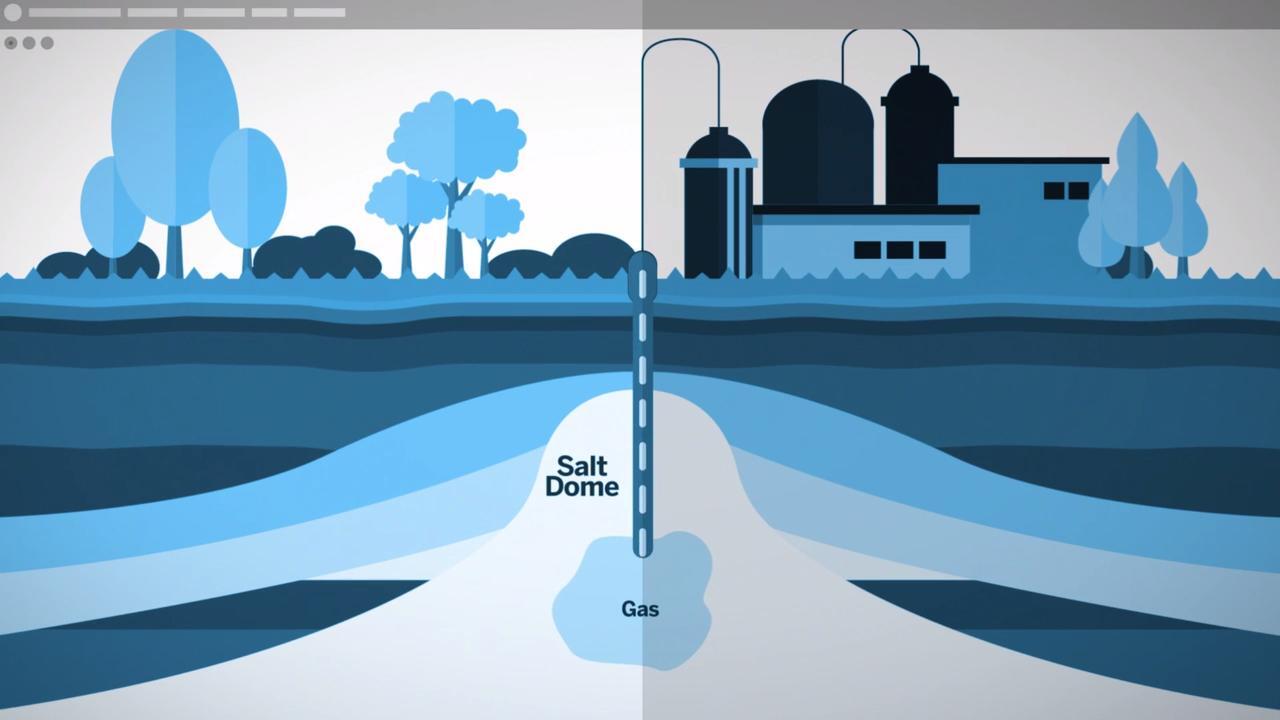
Storage capacity is another crucial aspect of supply. Natural gas is stored in underground reservoirs and withdrawal rates depend on seasonal demand. High storage levels can create a surplus, pushing prices lower, while low storage can lead to price spikes, particularly in winter months.
Weather patterns also impact supply, as extreme temperatures can disrupt production and transportation. Harsh winters may freeze infrastructure, while hurricanes can shut down offshore drilling operations.
Understanding Demand Factors in Natural Gas
Industrial usage remains one of the biggest demand drivers, with factories relying on natural gas for manufacturing processes such as steel production and chemical refining. As economies expand, industrial demand for energy resources rises accordingly.
Residential and commercial consumption is heavily influenced by weather conditions. Cold winters increase heating demand, while hot summers drive electricity use for air conditioning. Countries with extreme seasonal variations often experience sharp fluctuations in gas demand.
The electricity generation sector has seen a major shift toward natural gas in recent years. Many power plants have transitioned from coal to gas due to environmental concerns and cost-efficiency. This shift has significantly increased gas consumption, particularly in regions focused on reducing carbon emissions.
How Supply and Demand Influence Natural Gas Prices
The balance between supply and demand is the primary driver of natural gas prices. When supply exceeds demand, prices tend to drop, making gas more affordable for consumers. Conversely, when demand outpaces supply, prices rise due to scarcity concerns.
Natural gas is known for its price volatility. Unlike some commodities, it is difficult to store in large quantities for extended periods, making it highly sensitive to sudden supply disruptions or unexpected demand surges. Seasonal trends play a significant role in price fluctuations, with winter months often seeing higher prices due to heating demand.
Market cycles also influence price behaviour. Economic growth, industrial expansion, and population increases can steadily push demand higher over time, while economic downturns can reduce energy consumption. These cycles impact long-term pricing trends and investment decisions in the energy sector.
Impact of Supply and Demand on Natural Gas Trading Strategies
Traders rely on supply and demand analysis to develop strategies for navigating the natural gas market. Spot market participants react to short-term fluctuations, while futures traders anticipate long-term trends based on production forecasts and consumption patterns.
Some traders focus on speculative strategies, capitalizing on price swings caused by unexpected events such as extreme weather, pipeline disruptions, or geopolitical tensions. Others engage in hedging to stabilize their costs and avoid financial losses from price volatility.
Technical and fundamental analysis both play a role in evaluating supply and demand trends. Fundamental analysis examines production reports, weather forecasts, and government policies to predict future price movements. Technical analysis, on the other hand, relies on historical price data, chart patterns, and trading volumes to identify market trends.
Conclusion
Supply and demand are the fundamental forces that shape natural gas trading. Production levels, storage capacity, weather conditions, and geopolitical factors influence supply, while industrial consumption, electricity generation, and export markets drive demand. These elements interact to create a dynamic and often volatile market, requiring traders and investors to stay informed and adaptable. As the world transitions to a more sustainable energy landscape, the role of natural gas will continue to evolve. Market participants must closely monitor industry trends, policy developments, and technological advancements to navigate the shifting dynamics of supply and demand.


